
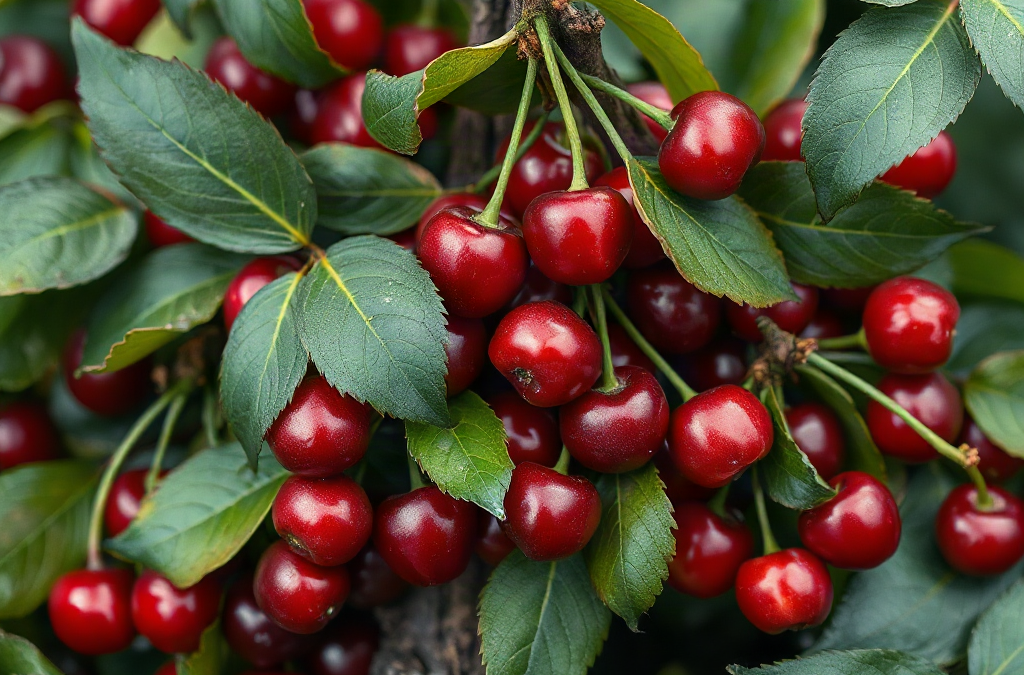
Ground cherries can be grown as warm-season annuals in every USDA zone, but planting time should follow local frost dates rather than the zone number alone. Start seeds indoors 6–8 weeks before the average last spring frost, then transplant after frost danger has passed, nighttime temperatures remain near 50°F or warmer, and the soil has warmed to about 60°F. Short-season gardeners should transplant established seedlings, while long-season gardeners may direct-sow after the soil warms. Allow roughly 90–120 frost-free days for dependable production, and avoid setting plants outside early because cold soil can stall growth without visibly killing them.
What you’ll learn
This guide covers the following practical points:
- How Do Growing Zones Affect Ground Cherries? — USDA hardiness zones describe average annual minimum winter temperatures, not spring planting dates or summer heat.
- Ground Cherry Planting Calendar by Zone — A zone-based calendar works best as a starting window that must be adjusted to the current season.
- When Should You Start Seeds Indoors? — Count backward 6–8 weeks from the local average last frost to choose an indoor sowing date.
- How Can You Tell When It Is Safe to Transplant? — Safe transplanting requires a frost-free forecast, warm soil, mild nights, and properly hardened seedlings.
How Do Growing Zones Affect Ground Cherries?
USDA hardiness zones describe average annual minimum winter temperatures, not spring planting dates or summer heat. Ground cherries are frost-tender members of the nightshade family, so gardeners commonly raise them as annual crops regardless of zone. A gardener in Zone 5 and another in Zone 7 may even have similar planting dates if elevation, coastal influence, or local terrain gives them comparable frost patterns.
The useful role of a zone is to provide regional context. Lower-numbered zones generally have shorter frost-free seasons, making an indoor start more valuable. In warmer zones, the longer season permits earlier spring planting, direct sowing, or sometimes a second planting. Yet a zone cannot reveal whether a particular yard sits in a cold hollow, on a warm south-facing slope, or within an urban heat island. Those site differences can shift safe planting by days or weeks.
Ground cherries need sustained warmth to establish, flower, set fruit, and ripen the berries inside their papery husks. A light frost can injure foliage, while prolonged cool soil slows root activity and nutrient uptake. A transplant placed into chilly ground may remain alive but make little progress. A younger plant set out two weeks later in warm conditions can overtake it because its roots and shoots begin growing immediately.
Use three local measurements alongside the zone: the average last spring frost, the first autumn frost, and the number of days between them. A practical target is roughly 90–120 frost-free days, depending on the cultivar, transplant size, weather, and whether the seed packet lists maturity from sowing or transplanting. Gardeners near the lower end of that range should choose an early cultivar and use transplants rather than relying on direct sowing.
Do not assume that ground cherries will return merely because they self-seeded once. Dropped fruit frequently produces volunteer seedlings the following year, but that is reseeding rather than reliable perennial survival. Volunteers can also emerge late or appear where fruit was left to decompose. Treat them as a bonus and maintain a planned sowing date if a dependable harvest matters.
Ground Cherry Planting Calendar by Zone
A zone-based calendar works best as a starting window that must be adjusted to the current season. The recommended outdoor timing below assumes frost danger has passed, the soil is near 60°F or warmer, and nights are generally staying around 50°F or above. If those conditions arrive late, wait rather than transplanting solely because a calendar date has arrived.
| USDA zones | Start seed indoors | Typical outdoor planting window | Preferred approach |
|---|---|---|---|
| 2–4 | 6–8 weeks before last frost | Late May to June, depending on location | Use transplants and an early cultivar |
| 5–6 | 6–8 weeks before last frost | May to early June | Transplant after nights become reliably mild |
| 7–8 | 6–8 weeks before last frost | April to May | Transplanting is dependable; direct sowing is possible later |
| 9–10 | 6–8 weeks before the local planting window | February to April in many areas | Favor spring growth before intense summer heat |
| 11 | Time for the mildest local season | Often autumn through winter | Avoid peak heat and persistent humidity where possible |
These are broad ranges rather than promises. Zone 8 in the Pacific Northwest does not behave like Zone 8 in the Southeast: one may have cool, wet springs, while the other warms quickly and develops hot, humid summers. Local extension planting calendars are more useful than the zone table when they conflict because those calendars account for regional frost and temperature patterns.
In Zones 2–4, the season may be too short for casually direct-sown plants to ripen heavily. Begin indoors, provide strong light, and select a variety described as early. A low tunnel or row cover can shelter new transplants, but fabric does not make cold soil warm enough indefinitely. Remove or vent protection as temperatures rise and when flowers need access to moving air and pollinators.
Zones 5–8 usually offer the simplest schedule: start indoors in late winter or early spring and transplant once tomatoes can safely go outside. Gardeners often use the same planting day for both crops, although a sheltered bed may warm sooner than an exposed plot. In Zones 9–11, planting earlier is not automatically better. Ground cherries can struggle during extreme summer heat, so a late-winter or early-spring start may produce more comfortably than a crop expected to establish in midsummer.
The common calendar mistake is treating the first warm weekend as the start of summer. Check the ten-day forecast, nighttime lows, and soil temperature before committing the entire crop. If conditions are marginal, transplant one plant as a trial and hold the others under strong light for several more days.
When Should You Start Seeds Indoors?
Count backward 6–8 weeks from the local average last frost to choose an indoor sowing date. That window usually produces transplants large enough to handle outdoor conditions without leaving them confined so long that they become root-bound. Because spring weather varies, the date should leave enough flexibility to keep seedlings indoors for an extra week if cold nights persist.
Sow seeds in a sterile seed-starting medium and cover them lightly according to the packet directions. Consistent warmth matters more than excessive water. The medium should remain evenly moist but still contain air; saturated mix encourages weak roots and seedling problems. Germination may be less uniform than it is with some common vegetables, so sowing a few extra seeds is more sensible than repeatedly disturbing the tray to check buried seeds.
Once seedlings emerge, place them beneath bright grow lights or in exceptionally strong natural light. Pale stems leaning toward a window indicate insufficient light, not a need for fertilizer. Keep lights positioned according to the fixture manufacturer’s guidance and provide gentle air movement. When seedlings develop true leaves, thin or pot them up so each plant has adequate root space.
Starting too early creates a different problem. Oversized plants dry rapidly in small containers, tangle their roots, and are harder to harden off without broken stems. If the sowing window has already passed, buying compact nursery transplants is often better than rushing weak seedlings. Direct sowing is reasonable only where warm soil and a long remaining season provide enough time for germination, vegetative growth, flowering, and fruit maturation.
A simple seed-starting sequence keeps the timing controlled:
- Find the local last-frost date: use a nearby weather or extension source rather than the zone number.
- Count back 6–8 weeks: sow toward the later end if indoor light is limited.
- Watch seedling form: compact growth and deep green leaves are better indicators than height.
- Begin hardening off: allow about 7–10 days before the expected transplant date.
- Recheck outdoor conditions: delay if frost, cold soil, or repeated nights below about 50°F are forecast.
Healthy seedlings should resume visible growth after transplanting rather than remaining static for weeks. If growth stalls, inspect moisture, nighttime temperature, root disturbance, and light exposure before adding fertilizer. Feeding a cold, waterlogged root system rarely corrects the underlying constraint.
How Can You Tell When It Is Safe to Transplant?
Safe transplanting requires a frost-free forecast, warm soil, mild nights, and properly hardened seedlings. Air temperature alone is an incomplete test because a sunny afternoon may warm leaves while the root zone remains cold. Measure soil temperature several inches deep in the morning for a more conservative reading, and look for a stable pattern rather than one unusually warm day.
Harden seedlings gradually over 7–10 days. Begin with a short period in sheltered shade, then increase outdoor time and sun exposure while protecting plants from strong wind and cold nights. Seedlings moved directly from indoor light into full sun can develop bleached or scorched patches. That damage is often mistaken for disease, but its timing—soon after abrupt exposure—usually reveals the cause.
Choose a site receiving at least six hours of direct sun, with good drainage and room for the plants to spread. Ground cherries often form low, branching plants, and fallen ripe fruit can hide beneath the canopy. Space plants according to the cultivar label; crowding makes harvest harder and reduces airflow. Mulch after the soil has warmed to conserve moisture and keep dropped husks cleaner, but do not pile mulch against the stems.
Steady moisture supports growth and fruit filling, yet constantly wet soil is a poor tradeoff. Water deeply when the root zone begins to dry rather than maintaining a saturated surface. Excess nitrogen can produce a large leafy plant with disappointing fruit set, so avoid repeated high-nitrogen feeding unless plant appearance and soil conditions indicate a genuine deficiency.
Ripeness should be judged by the fruit and husk, not by plant size. Ground cherries commonly fall when ripe, and their husks become dry and papery. Collect fallen fruit frequently and check that the berry inside has developed the mature color described for the cultivar. Do not eat green, unripe fruit or other plant parts; ground cherries belong to the nightshade family, and ripe fruit is the intended edible portion.
Late in the season, watch the first-frost forecast rather than waiting for visible plant injury. Row cover may protect against a brief light frost, but it cannot create weeks of ripening weather. If the crop repeatedly reaches autumn with mostly immature fruit, the useful correction is an earlier indoor start, an earlier cultivar, or a warmer site—not simply heavier feeding.
Conclusion
Plan ground cherries around local weather rather than treating a USDA zone as a planting date. Find the average last frost, count backward 6–8 weeks for indoor sowing, and confirm warm soil and mild nights before transplanting. Gardeners with short summers should give priority to early cultivars, vigorous transplants, and the warmest sunny bed available. Those in hot climates should schedule growth for spring or another mild period instead of forcing young plants to establish during peak heat.
Record the sowing date, transplant date, first ripe fruit, and first autumn frost. That simple record will produce a more accurate calendar for the property than a broad regional table. If fruit remains immature at frost, adjust next season by starting earlier or changing cultivars; if seedlings become crowded indoors, sow later rather than keeping oversized plants in small pots.
Frequently Asked Questions
Can ground cherries grow in every USDA zone?
Yes. Gardeners generally grow them as warm-season annuals in all USDA zones. Colder regions need an indoor start, while warmer regions have more flexibility in choosing a mild planting season.
Can I direct-sow ground cherry seeds?
Direct sowing can work after the soil warms in regions with long summers. In short-season areas, transplants are more dependable because the plants need substantial time to germinate, flower, and ripen fruit.
How cold is too cold for ground cherry transplants?
Frost can damage or kill tender plants, and repeated nights below about 50°F can slow establishment. Wait for a frost-free forecast and soil near 60°F rather than relying on one warm afternoon.
Why are my ground cherry plants alive but not growing?
Cold soil, excessive moisture, limited light, or transplant shock can stall growth. Check root-zone temperature and drainage before fertilizing, because added nutrients will not correct cold or waterlogged conditions.
When are ground cherries ready to harvest?
Ripe fruit commonly drops from the plant inside a dry, papery husk. Confirm that the berry has reached the mature color described for its cultivar, and leave green, unripe fruit uneaten.


