
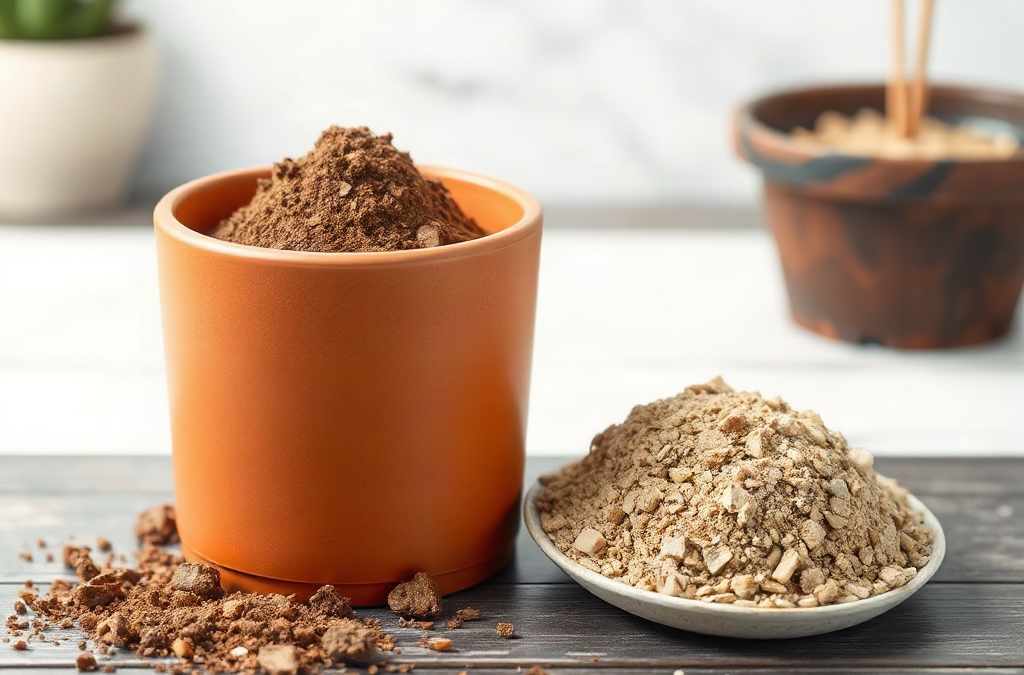
Potting soil is usually the better choice than garden soil for outdoor containers because its larger pores preserve root oxygen, release excess water, and resist compaction within a pot. Garden soil is suited to open beds, where worms, roots, and a much larger soil volume maintain structure; confined in a planter, it may become dense, drain slowly, and add excessive weight. A quality container mix should hold some moisture while allowing water to leave through unobstructed drainage holes. For large planters, garden soil may be used only as a limited, carefully amended component rather than as the sole growing medium.
Why Does Container Soil Need More Air and Drainage?
A container turns a growing medium into a small, enclosed root zone with limited routes for water and air. Water can leave mainly through the drainage holes, while oxygen must move through pores between particles. The mix therefore needs enough fine material to retain usable moisture and enough coarse structure to prevent those pores from collapsing after repeated watering.
Open ground behaves differently. Water can spread downward and sideways, roots can move into neighboring soil, and soil organisms continually create channels. A pot interrupts those processes. Its lower layer often remains wet longer than the surface, especially when a saucer holds runoff or a single drainage hole becomes blocked. Dense material magnifies that moisture gradient and can leave lower roots short of oxygen even though the top looks dry.
Particle structure explains why ordinary soil frequently disappoints in planters. Mineral soil contains varying proportions of sand, silt, and clay. Once confined and repeatedly watered, fine particles can settle into spaces that previously held air. Clay-rich soil may shrink into a hard mass when dry and drain very slowly when saturated. Sandy garden soil may drain faster, but it can still settle heavily and lacks the resilient pore structure supplied by bark, perlite, pumice, or similar potting-mix components.
Consider two identical patio pots planted with petunias. A loose container mix may accept water evenly and release runoff within moments. A pot filled with dense yard soil may shed water down a gap beside the pot when dry, then stay saturated near the base after a deep watering. Both pots received the same amount of water, but the roots experienced very different conditions.
Check performance rather than judging only by surface color. Water should soak into the medium instead of pooling for a prolonged period, and excess should emerge from the bottom. A mix that stays swampy for days, develops a sour odor, pulls away as a solid block, or causes unexplained wilting while wet is likely losing useful pore space. Adding extra fertilizer will not correct poor aeration; the physical condition of the root zone comes first.
How Do Potting Soil and Garden Soil Compare?
Potting mix is engineered for a confined volume, while garden soil is intended to function as part of an outdoor soil profile. Despite the familiar label “potting soil,” many bagged container products contain little or no field soil. Common ingredients include aged bark, coir or peat, perlite, pumice, compost, and a wetting agent. Formulas vary, so the ingredient list matters more than the product name alone.
| Decision factor | Potting mix | Garden soil |
|---|---|---|
| Drainage | Designed to release excess water in pots | May drain poorly once confined and compacted |
| Root aeration | Coarse ingredients preserve air spaces | Fine mineral particles can settle and close pores |
| Weight | Usually lighter and easier to move | Often much heavier, especially when wet |
| Nutrient behavior | May include starter fertilizer but needs ongoing feeding | Can contain minerals and organic matter, but fertility varies |
| Consistency | Generally formulated for predictable container use | Texture, drainage, weeds, and organisms depend on the source |
Container mix is not automatically perfect. Very fine, inexpensive products can slump after a season, while highly porous mixes may dry quickly in small pots exposed to wind and afternoon sun. Peat-based material can also resist wetting after becoming completely dry. A mix intended for seed starting may be too fine for a large outdoor planter, and a chunky orchid formula may hold too little moisture for thirsty annuals.
Garden soil offers advantages in its proper setting. Its mineral content gives it weight, buffering capacity, and long-term stability in raised beds or planting holes connected to surrounding ground. Those same traits become liabilities on a balcony or deck. A large ceramic planter filled with wet mineral soil can be difficult to reposition and may impose more load than expected. Weight is especially relevant for hanging baskets, railing planters, and containers moved indoors for winter.
Do not assume dark color means a product will perform well. Rich-looking material may still have a texture that is too fine for a pot. Squeeze a damp handful: a suitable general-purpose container mix should hold together lightly but separate again without forming a sticky, durable ribbon or hard lump. Inspect for visible coarse particles and read whether the package identifies the product for containers rather than in-ground bed improvement.
Can Garden Soil Be Used in Pots?
Garden soil can be a minor component in some large outdoor planters, but using it alone creates avoidable drainage, weight, and consistency problems. The risk depends on its texture, the planter’s depth, local rainfall, and the plant. A sandy loam in a large, open-bottomed planter behaves differently from clay soil packed into a small glazed pot with one narrow hole.
If cost or local availability makes some mineral soil desirable, begin conservatively. Combine a modest portion with fresh container mix and a coarse amendment such as fine pine bark or pumice, then test drainage before planting. There is no reliable universal recipe because garden soils differ dramatically. The finished blend should accept water readily, produce runoff, and remain crumbly rather than sticky after wetting. If a squeezed sample forms a dense ball that resists breaking apart, add more structured container material rather than more compost alone.
Compost should not be treated as a complete fix for heavy soil. Mature compost contributes organic matter and may improve moisture retention, but fine compost can also reduce air space when it dominates a container. Likewise, putting gravel, stones, or broken pottery beneath dense soil does not transform the soil above into a free-draining medium. It reduces the available root volume, and water can still remain in the finer material above the coarse layer. Use a pot with adequate holes and improve the medium throughout its depth.
Large permanent planters present a legitimate tradeoff. Filling the entire vessel with premium mix may be expensive, and a very lightweight blend can make a tall container unstable in wind. A limited amount of screened loam may add useful ballast, but the pot should still contain a predominantly porous medium around the roots. For shrubs expected to remain for several years, structural durability matters more than getting the lowest initial fill cost.
Before using soil taken from the yard, consider what comes with it. Weed seeds, creeping roots, insects, and soilborne organisms may enter the planter. Avoid soil from areas exposed to herbicide residue, road salt, pet waste, or unknown contamination. Heating outdoor soil in a household oven is unpleasant and unreliable as a general container practice. Buying a formulated mix is usually the simpler choice for edible crops, seedlings, and compact pots where roots have little margin for error.
Choosing and Maintaining a Container Mix
Choose the medium by matching plant demand, pot design, weather exposure, and maintenance habits. Succulents and Mediterranean herbs generally need a faster-draining blend than leafy vegetables or moisture-loving annuals. Small terracotta pots lose water quickly through both the surface and the pot wall, whereas large plastic or glazed containers retain moisture longer. A mix that works well in a cool, sheltered location may dry too rapidly on a windy south-facing patio.
Use a short pre-planting check rather than relying on the front of the bag:
- Confirm the intended use. Select a product labeled for outdoor containers, not topsoil or an in-ground amendment.
- Inspect the texture. Look for a resilient blend of moisture-holding and coarse components rather than uniformly fine material.
- Check the planter. Clear every drainage hole and avoid sealing the base with a tight-fitting saucer.
- Pre-moisten the mix. Add water gradually and mix until evenly damp, especially when peat-based material has become dry.
- Test before planting. Fill and water the container; runoff should appear without the entire surface remaining flooded.
Fresh potting mix may contain a starter nutrient charge, but container plants eventually depend on deliberate fertilizing because frequent watering carries soluble nutrients out with the runoff. Follow the fertilizer label and adjust for the crop rather than assuming a dark mix remains fertile all season. Pale growth can reflect depleted nutrients, but it can also result from saturated roots. Check moisture and drainage before increasing fertilizer.
Used mix does not always need to be discarded. If the previous plants were healthy and the material still drains well, remove old roots, break up compacted clumps, and blend in fresh mix to restore volume and structure. Replace most or all of it when it has collapsed into fine muck, drains very slowly, contains persistent weeds, smells anaerobic, or held plants with suspected root disease. Reusing a tired medium without assessing its physical condition is a common false economy.
Performance changes through the season. Roots fill pores, bark decomposes, and particles settle. Lift smaller pots occasionally to learn how their wet and dry weights differ, or check moisture several inches below the surface with a finger or wooden skewer. Healthy performance looks like even wetting, prompt drainage, stable plants, and roots that are pale and firm rather than dark and soft. If water races down a side gap while the center stays dry, gently loosen the surface and rehydrate in stages instead of flooding repeatedly.
Frequently Asked Questions
Can I fill an outdoor planter with garden soil only?
It is usually a poor choice because confined garden soil can become heavy, compacted, and slow to drain. Use a container-formulated mix, particularly in small pots or planters exposed to frequent rain.
Is potting soil the same as potting mix?
The labels are often used interchangeably. Many products sold as potting soil are actually soilless blends, so check the ingredient list and confirm that the product is formulated for containers.
Should I put rocks in the bottom of outdoor containers?
No drainage layer is needed. Rocks reduce root space and do not repair a dense medium; clear drainage holes and a porous mix are more effective.
Can I mix compost with potting mix?
Yes, a moderate amount of mature compost can add organic matter, but too much fine compost may hold excess water and reduce aeration. Keep the finished blend loose and free-draining.
Can old potting mix be reused outdoors?
Reuse it when previous plants were healthy and the mix remains porous. Remove roots and refresh it with new material; replace mix that is diseased, foul-smelling, badly compacted, or persistently waterlogged.
Conclusion
The best container medium is defined by its behavior after repeated watering, not by dark color or a soil-like appearance. Prioritize open pore space, dependable drainage, manageable weight, and enough moisture retention for the plant and site. A bagged mix intended for outdoor pots is the most reliable starting point, while yard soil is better left in beds or used cautiously as a limited ingredient in substantial permanent planters.
Before planting, clear the drainage holes, moisten the mix evenly, and run a simple watering test. During the season, investigate slow drainage, wet wilting, hard shrinkage, or water bypassing the root ball before adding fertilizer. Refresh reusable material when it remains structurally sound, but replace collapsed or questionable mix. Those checks protect roots more effectively than trying to correct a dense container after plants are established.


