
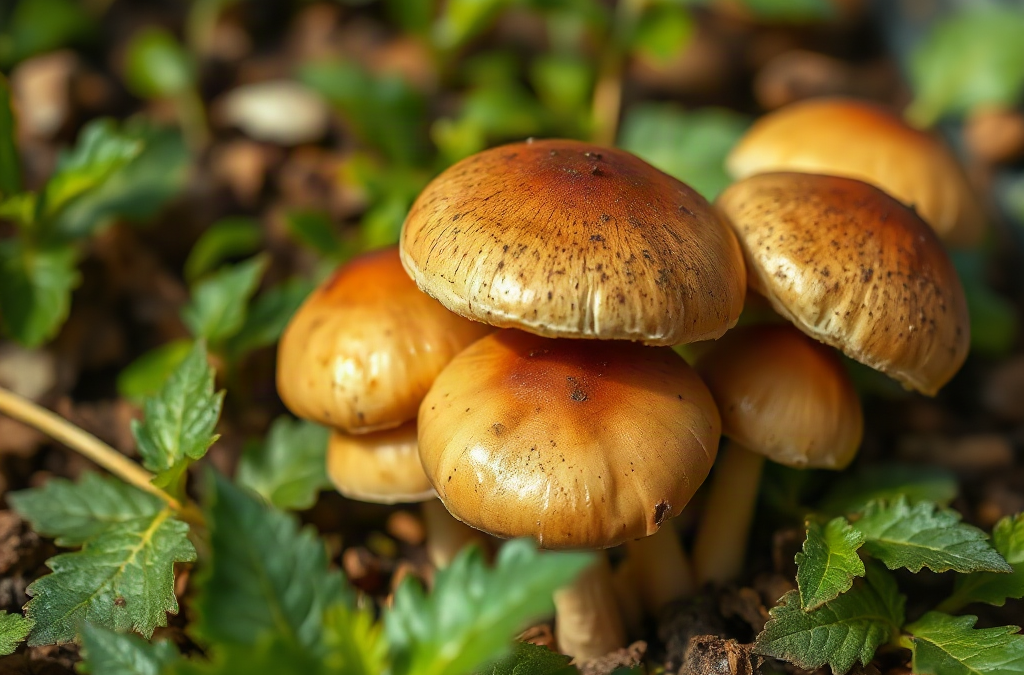
Outdoor mushroom growing problems with moisture control usually come from uneven substrate hydration, drying winds, direct rainfall, or poor drainage rather than a simple lack of watering. Keep the fruiting material damp throughout but never waterlogged, shelter it from sun and hard rain, and apply a fine spray when the surface begins to lose its moist appearance. Wood-chip beds need moisture deeper than the visible surface, while logs benefit from periodic soaking only when they have genuinely dried. Pooling water, sour odors, slimy substrate, cracked caps, and stalled pins indicate that moisture delivery or airflow needs correction.
Why Do Outdoor Mushroom Beds Dry Out or Flood?
Outdoor mushroom substrates lose and gain water at different rates across their depth. A wood-chip bed may look dry on top while remaining adequately moist below, whereas a shaded container can appear damp yet hold stagnant water around its base. Judging the entire growing area by surface color alone often leads to unnecessary watering or overlooked drought stress.
Weather drives many of these swings. Sun warms exposed chips and logs, wind removes moisture from surfaces, and low humidity accelerates evaporation even in shade. Heavy rain creates the opposite pressure: it fills air spaces in compacted substrate and may wash fine particles into drainage pathways. Mycelium needs moisture, but it also occupies a porous material that must retain oxygen. Saturation becomes harmful when water displaces air for prolonged periods.
Site design can amplify weather conditions. A bed beneath a dense roof overhang may miss nearly every rainfall, while one at the bottom of a slope receives runoff well after the storm ends. Deep shade reduces drying but can leave a poorly drained bed wet for too long. Dappled shade with protection from afternoon sun usually offers more manageable conditions than either an exposed lawn edge or a permanently soggy corner.
Substrate structure matters as much as location. Coarse hardwood chips contain larger air spaces and drain more freely than decomposed, compacted chips. Straw dries rapidly near the surface but can mat into wet layers after repeated overhead irrigation. Logs hold water internally and respond slowly, so frequent surface spraying may wet the bark without correcting a dry interior. These materials should not share one automatic watering schedule.
A common mistake is reacting to every dry-looking surface with a heavy soak. Before adding water, move aside the upper layer of a bed and feel the material several inches down. Check logs by considering recent rainfall, shade, bark condition, and weight if they are small enough to lift. Correct the moisture condition of the substrate rather than the appearance of one exposed patch.
How Can You Diagnose Too Much or Too Little Water?
Moisture trouble is best diagnosed from several signs together: the condition below the surface, recent weather, drainage behavior, and changes in mushroom development. A single symptom rarely proves the cause. Small or cracked fruiting bodies can reflect dry air, but stalled production may also follow unsuitable temperature, an immature colony, pest damage, or exhausted substrate.
Dry substrate commonly feels light, loose, or crisp rather than cool and pliable. Wood chips may be damp underneath yet dry in the upper zone where pins are forming. Logs can develop widening bark cracks or feel notably lighter after a prolonged rain-free period. Pins that repeatedly shrivel soon after appearing point more strongly toward low surface humidity or drying wind than a bed that simply has not fruited.
Excess water produces a different pattern. Look for puddles that remain after irrigation, compressed layers with little visible pore space, slimy surfaces, or an unpleasant sour odor. Healthy colonized wood often has a fresh, earthy smell; a sharp or fermented odor suggests that low-oxygen decomposition may be occurring. Unwanted molds and bacterial films can also expand when stagnant moisture combines with warm conditions, although their presence should not automatically be blamed on one rainy day.
| Observation | Likely moisture issue | Next check |
|---|---|---|
| Dry top layer, cool damp chips below | Surface evaporation | Check wind and exposed edges before deep watering |
| Dry material through the bed depth | Substrate dehydration | Apply water slowly and confirm penetration |
| Standing water or sour odor | Poor drainage and low oxygen | Stop irrigation and inspect compaction or runoff |
| Shriveled pins after hot wind | Low surface humidity | Add shade or a breathable cover and use fine mist |
| No fruiting but moisture feels suitable | Possibly not a moisture problem | Review species, season, maturity, and temperature |
Use a hand test rather than trying to achieve a precise universal moisture reading. Material in an active bed should generally feel evenly damp without releasing free water under light pressure. If squeezing produces a stream, drainage or irrigation volume deserves attention. If chips remain hard and dry below the surface after watering, the application was too fast, too brief, or diverted by a water-repellent dry layer.
Record rainfall and your own irrigation for a few weeks. A simple dated note prevents repeated watering by different household members and reveals whether problems follow hot afternoons, storms, or a particular sprinkler cycle. The goal is not to keep the site visibly wet at all times; it is to limit severe swings while preserving aeration.
Watering Beds, Logs, and Containers Correctly
Watering should match both the substrate and the stage of growth. Established mycelium within a deep chip bed is buffered from brief surface drying, while newly forming pins are exposed to moving air and need a steadier surface environment. Water slowly enough to enter the material, then reassess before repeating the application.
Wood-chip and straw beds
For beds, use a gentle spray that does not scatter chips, flatten straw, or erode the casing layer. Apply water in passes, allowing the first pass to soak in before adding more. Afterward, part the substrate in two or three places to see whether moisture reached below the top. A quick blast that darkens only the surface can create the illusion of thorough irrigation.
During pin formation, a fine mist may protect delicate surfaces better than a forceful stream. Misting alone is inadequate when the whole bed is dry, however. In that situation, replenish moisture gradually through the bed, preferably during a cooler part of the day, and check drainage as you proceed. Repeated shallow misting cannot replace deeper hydration.
Inoculated logs
Logs usually need less frequent intervention because wood stores internal moisture. When an extended dry spell has depleted them, soaking can restore water more effectively than spraying bark several times a day. Keep the logs from remaining submerged indefinitely; soaking is a corrective event, not their permanent growing condition. Bark condition, log diameter, wood density, rainfall, and species all affect how quickly a log dries, so calendar-only soaking is unreliable.
Outdoor containers and buckets
Containers have limited reserves and can overheat or dry from their sides. Confirm that drainage holes remain open and that runoff can escape rather than collecting in a saucer. A container that dries within hours may need a more sheltered location before it needs more frequent irrigation. Conversely, a bucket that stays heavy and develops odor should be allowed to drain and aerate rather than receiving another scheduled watering.
Clean water and gentle delivery are sensible defaults, but elaborate equipment is not always necessary. A watering wand, adjustable hose nozzle, or pump sprayer used only for water can provide control. Automatic systems are convenient for an established setup, yet they should be adjusted after weather changes. Irrigating through a rainy week merely because a timer is active is a common route to saturation.
How Do You Build a More Stable Moisture Zone?
A stable outdoor mushroom area is created mainly through placement, drainage, and protection rather than constant watering. Start by observing the proposed site after rain and during the hottest part of the day. Water should enter the ground without remaining pooled, and the substrate should avoid prolonged direct sun. Shelter from drying wind is valuable, provided the enclosure does not trap stale, hot air.
Overhead shade can come from deciduous trees, shade cloth, or a ventilated structure. Trees moderate heat naturally, but their roots may compete for moisture and their canopy can divert rainfall. Shade cloth offers predictable coverage, though it must be mounted high enough for air movement. Plastic sheeting blocks rainfall but may create runoff, condensation, and heat; use it as a rain shield with open sides rather than wrapping the bed tightly.
A breathable surface layer can slow evaporation from wood-chip beds. Loose damp burlap, clean straw, or an additional layer of suitable chips may protect newly colonized material, but each option requires inspection. Burlap can dry and wick water away if neglected. Thick straw can mat, and excessive chips may bury fruiting points or hide pest activity. Lift covers periodically instead of assuming conditions beneath them are correct.
Drainage corrections should come before additional irrigation hardware. Redirect roof runoff, avoid depressions, and loosen or rebuild badly compacted material. Where native soil drains slowly, a modestly raised bed can keep the mushroom substrate above temporary saturation. Raising a bed also makes it more vulnerable to edge drying, so use sufficient width, shade the sides where practical, and monitor the perimeter separately from the center.
Use this short priority sequence when conditions become unstable:
- Inspect depth: Check moisture below the visible surface in several locations.
- Identify the driver: Note sun, wind, runoff, blocked drainage, and recent irrigation.
- Correct the site: Add breathable shade, clear drainage, or redirect concentrated rain.
- Adjust water delivery: Change volume and penetration before changing frequency.
- Watch the response: Look for even dampness, normal odor, open texture, and pins that remain plump.
Do not expect immediate fruiting to confirm that a correction worked. Mycelium may need time to recover, and fruiting also depends on the cultivated species, substrate maturity, and seasonal temperature. The more reliable early signs are that moisture remains even between checks, standing water disappears promptly, and the material retains an earthy rather than sour smell. If those conditions are present but mushrooms still do not form, investigate factors beyond water instead of repeatedly changing irrigation.
Frequently Asked Questions
Should an outdoor mushroom bed stay wet all the time?
No. The substrate should remain evenly damp, but its air spaces should not stay filled with water. Persistent puddles, slime, or sour odors indicate that the bed is too wet or drains poorly.
How often should outdoor mushrooms be watered?
There is no dependable fixed interval because substrate, shade, wind, temperature, and rainfall change the drying rate. Check below the surface and water when the active substrate is beginning to dry, not merely because the top looks pale.
Is misting enough for an outdoor mushroom bed?
Misting can protect pins and reduce surface drying, but it will not rehydrate a dry bed. Deep dehydration calls for slow, thorough watering that penetrates the substrate without causing runoff or pooling.
Can mushroom logs be overwatered?
Yes. Logs kept continuously submerged or in stagnant, poorly ventilated conditions can develop undesirable low-oxygen conditions. Soak genuinely dry logs as a corrective measure, then return them to a shaded, drained location.
Why are mushroom pins drying even when the ground is wet?
Wet soil does not guarantee humid, protected air around the pins. Direct sun, warm wind, exposed bed edges, or a dry upper substrate layer can desiccate pins while deeper ground remains moist.
Conclusion
Reliable moisture management begins below the surface. Check several points in the substrate, separate surface evaporation from deep dehydration, and look for drainage problems before changing the watering schedule. Beds, logs, and containers store water differently, so each requires its own inspection and delivery method.
Prioritize a shaded, ventilated site with no concentrated runoff. Apply water gently, verify that it penetrates, and use breathable covers only when they can be inspected regularly. If puddling, sour odors, slime, or compaction appears, reduce irrigation and restore drainage rather than trying to wash the problem away. Once the substrate remains evenly damp and aerated, give the mycelium time to respond. A lack of fruiting under otherwise stable moisture should prompt a review of temperature, season, species, and substrate maturity instead of more water.


