
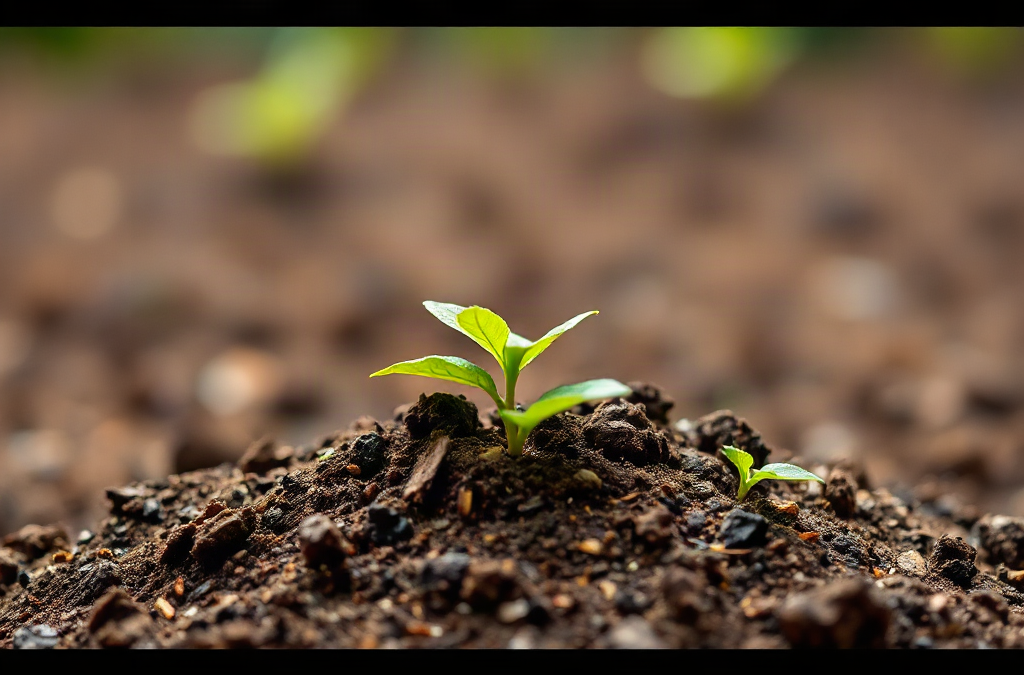
Garden soil generally works better than topsoil for planting directly in beds because it usually contains compost or other organic matter that improves nutrient supply, moisture retention, and soil structure. Topsoil is more useful for filling low areas, establishing grade, or building bed volume before amendments are mixed in. Product labels are not standardized enough to guarantee quality, so check texture, ingredients, drainage, and contamination risk rather than relying on the bag name. For most in-ground beds, combine suitable local topsoil with compost; for containers, use potting mix instead of either product because roots need greater aeration.
What Separates Topsoil From Garden Soil?
Topsoil describes a soil layer or a product category, while garden soil usually describes a blended material intended for in-ground planting. Natural topsoil is the upper mineral layer of the ground, where weathered rock particles mix with organic residues and living organisms. Bagged or bulk topsoil may instead be screened soil collected during excavation, and its texture can range from sandy to clay-heavy. The word alone does not reveal fertility, drainage, organic-matter content, or suitability for a particular plant.
Commercial garden soil commonly combines mineral soil with composted forest products, compost, manure, peat, or another moisture-holding amendment. Some blends also contain fertilizer. These additions can make the material darker and easier to work, but they do not automatically make every blend superior. A product dominated by fine compost can settle substantially after installation, while a blend rich in peat may become difficult to rewet if allowed to dry completely. Fertilizer-containing products can also supply more nutrients than seedlings or low-fertility plants need.
The practical difference is how each material affects the balance between air and water around roots. Mineral particles give a bed lasting volume and weight. Stable organic matter improves aggregation, allowing water to enter while preserving pores that contain oxygen. Too much dense clay restricts drainage; too much coarse sand can drain rapidly and hold few nutrients. Large amounts of incompletely composted woody material may temporarily tie up available nitrogen as microbes break it down.
| Material | Typical Strength | Main Limitation | Best Use |
|---|---|---|---|
| Topsoil | Provides mineral bulk and lasting bed volume | Quality and texture vary widely | Grading, filling, and blending into new beds |
| Garden soil | Often includes organic amendments | May settle or contain added fertilizer | Improving established in-ground beds |
| Potting mix | Lightweight with high pore space | Costs more and decomposes over time | Pots, window boxes, and other containers |
A common mistake is treating dark color as proof of rich, well-structured soil. Color may come from organic matter, but it can also reflect moisture, mineral composition, or added materials. Texture, odor, drainage behavior, ingredient information, and the needs of the planting site provide better evidence than appearance alone.
Which Soil Fits Each Planting Job?
The right material changes with the planting location because an open bed, raised bed, lawn, tree hole, and container handle water differently. In an existing vegetable or flower bed, amending the soil already present is usually more effective than replacing it. Spreading a modest layer of finished compost and mixing it into the upper soil can improve workability without creating a sharp boundary between two unlike textures.
Topsoil is the practical choice when a project needs mineral volume. A shallow depression that holds rainwater, a new border built over poor subsoil, or a raised bed that requires substantial fill may need screened topsoil as a base. It should normally be blended with compost rather than installed as an unmodified layer. If fine-textured topsoil is placed over compacted subsoil, water can remain perched near the boundary, leaving roots in a wet upper layer even though the lower ground appears dry.
Garden soil is better suited to adding organic matter to an in-ground bed when its ingredients complement the native soil. For example, a sandy bed may benefit from a blend containing mature compost because the amendment increases water and nutrient retention. A heavy clay bed needs organic matter too, but simply burying a thick layer of purchased soil over clay can produce uneven drainage. Loosening the transition zone and mixing amendments through the existing surface reduces that abrupt interface.
Neither topsoil nor garden soil is the preferred material for containers. Pots have limited depth and drainage through a small number of holes, so their roots need a lightweight medium that maintains air-filled pores after repeated watering. Mineral garden soil can compact in a pot, drain slowly, and become extremely heavy. A labeled potting or container mix is the safer functional choice, even when the plant itself would grow well in garden soil outdoors.
Tree and shrub planting creates another frequent error: filling the hole with rich purchased soil while leaving dense native soil around it. Roots may remain in the amended pocket instead of extending into the surrounding ground, and water movement can differ across the boundary. Backfilling primarily with the excavated native soil generally creates a more continuous root zone. Compost can be spread over a wider surface area later rather than concentrated inside the hole.
How Do You Judge Soil Before Buying It?
Judge a soil product by its physical condition, declared contents, and intended use rather than its marketing name. Bagged products should identify their ingredients and may state whether fertilizer has been added. Bulk suppliers should be able to explain where their material originated, whether it was screened, and whether compost is included. If the source cannot describe the blend, ordering a large load carries avoidable risk.
Start by handling a sample. Slightly moist soil should break apart with moderate pressure rather than staying in a hard lump or running through the fingers like beach sand. Remove obvious trash, large roots, stones, and pieces of undecomposed material from consideration. A sour, sewage-like, or strongly ammonia-like odor can indicate poorly processed or anaerobic organic material; mature soil amendments should smell earthy rather than sharp or rotten.
Contamination history matters when the soil will grow vegetables, herbs, or fruit. Soil from an unknown demolition, roadside, industrial, or fill source may carry debris or contaminants that cannot be detected by sight. For a bulk delivery, ask whether the supplier has a recent analysis that addresses texture, pH, soluble salts, organic matter, and relevant contaminants. Testing is especially worthwhile when filling a large food garden because removing unsuitable soil later is expensive and disruptive.
A compact buying check keeps the decision focused:
- Match the use: Confirm that the material is intended for in-ground beds, grading, raised beds, or containers.
- Read the composition: Note compost, manure, wood products, peat, mineral soil, and added fertilizer.
- Inspect a sample: Check for workable texture, clean appearance, and an earthy odor.
- Ask about testing: Prioritize documented material when the origin is uncertain or edible crops are planned.
- Allow for settling: Blends high in organic matter lose volume faster than mineral-rich soil.
Price per bag or cubic yard can obscure the actual cost. A cheap, unscreened load may require labor to remove rubble and roots, while a very light compost-rich blend may need topping up after it settles. Buying a small amount first, wetting it, and watching how it drains can prevent a costly full-load mistake. Soil that remains slick and saturated for days or dries into a hard crust is unlikely to perform well without further blending.
How Should You Prepare a Productive Planting Bed?
Bed preparation should begin with the existing soil, not with a predetermined bagged product. Dig several small inspection holes after normal weather and compare the top layer with the soil below. Note whether roots penetrate easily, whether water stands in the holes, and whether the soil forms dense plates or loose crumbs. Different parts of one yard may need different treatment because construction traffic, slope, and previous filling create localized conditions.
A basic soil test can guide pH and nutrient decisions before fertilizer is added. Texture and compaction still require hands-on assessment because a nutrient report cannot show whether roots have enough oxygen. If the bed is severely compacted, loosen it when the soil is moist but not sticky. Working wet clay smears and compresses its pores; aggressively tilling very dry soil can pulverize aggregates and leave a crust after rain.
For an established bed with reasonably sound mineral soil, apply finished compost across the surface and incorporate it shallowly where digging will not damage perennial roots. Avoid trying to transform clay into sandy soil by adding a small quantity of sand. An inadequate proportion can create a denser, concrete-like mixture rather than better drainage. Organic matter, surface mulch, reduced foot traffic, and time are more practical ways to improve aggregation.
A new raised bed needs enough stable mineral material to resist rapid shrinkage, balanced with mature compost for structure and biological activity. Filling the entire bed with compost may look productive at first, but the level can drop as organic components decompose. It may also hold excessive water when fine or become difficult to irrigate evenly when dry. A supplier’s raised-bed blend can work well if it contains both mineral soil and finished organic material, but the actual composition matters more than the label.
After planting, performance provides useful feedback. Water should soak in rather than pond for long periods, and the surface should not form a hard sealed crust after every irrigation. New leaves should develop without persistent pale growth, scorching, or wilting in consistently moist soil. Those symptoms do not prove a soil problem by themselves, but they justify checking moisture below the surface, drainage, root condition, and fertilizer history before adding more amendments.
Finish with organic mulch kept away from direct contact with stems and trunks. Mulch moderates evaporation and limits surface compaction, allowing the underlying soil to improve without repeated deep cultivation. Reassess the bed each season and add organic matter according to condition rather than automatically piling on more purchased soil. Maintaining a stable root zone is usually more valuable than repeatedly changing its composition.
Frequently Asked Questions
Can you plant directly into bagged topsoil?
You can if the topsoil has a suitable texture and verified quality, but plain topsoil often benefits from being mixed with finished compost. Test drainage and check for compaction before planting.
Can garden soil be used in pots?
Garden soil is usually too dense for containers and may leave roots short of oxygen after watering. Use a potting mix formulated to retain moisture while preserving air space.
Should garden soil be mixed with native soil?
Yes, blending it into the upper native soil usually creates a smoother transition for water and roots than leaving two distinct layers. Avoid cultivation when clay soil is wet and sticky.
Is topsoil or garden soil better for a raised bed?
A balanced raised-bed blend is generally preferable to either material alone. Mineral topsoil supplies lasting volume, while mature compost or an amended garden blend contributes organic matter and workability.
How can you tell whether purchased soil is poor quality?
Warning signs include rubble, a rotten or ammonia odor, sticky compaction, persistent waterlogging, excessive undecomposed wood, or no credible information about the material’s source and composition.
Conclusion
Choose soil according to the job and the condition of the ground already present. Use screened, suitable topsoil when a project needs durable mineral volume, then improve it with finished organic matter where the planting plan requires it. Use garden soil to amend in-ground beds only after checking its ingredients, fertilizer content, texture, and expected settling. Keep both products out of containers unless the manufacturer specifically formulates the material as a potting medium.
Before placing a large order, inspect a sample, ask where the material came from, and consider testing soil intended for edible crops or sourced from uncertain fill. Blend new material across the existing surface instead of creating abrupt layers, protect the finished bed with mulch, and judge results by infiltration, root growth, moisture behavior, and plant response. Those checks matter more than whether the bag says topsoil or garden soil.


