by Tips to Gardening Editorial Team | Apr 10, 2026 | gardening
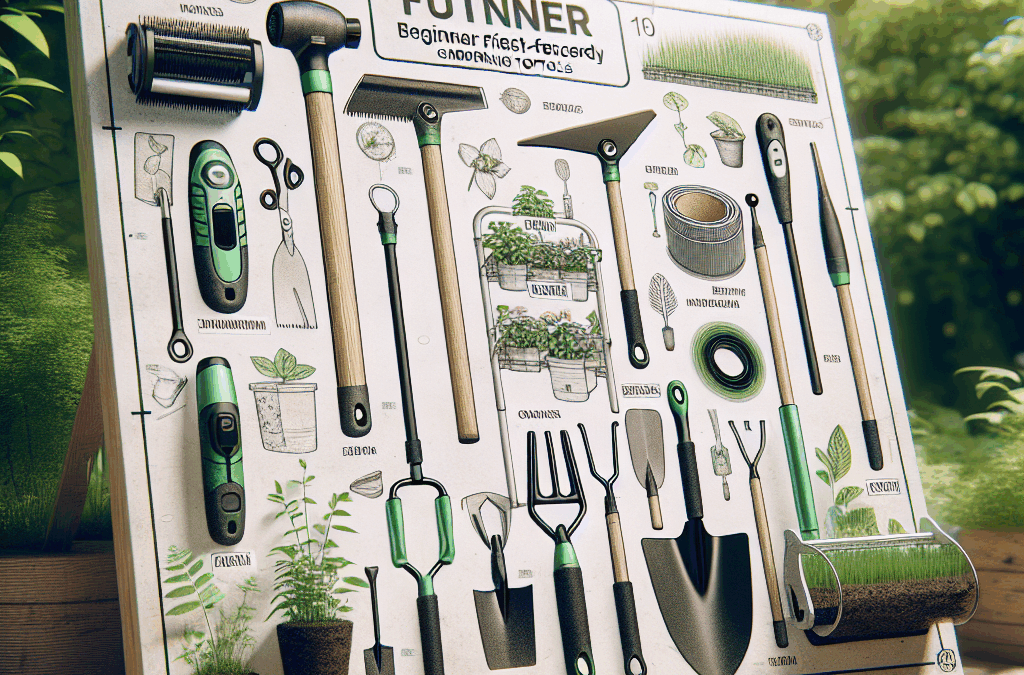
Certain vegetables excel in extreme summer heat, making them ideal choices for gardeners in hot climates. Varieties such as okra, sweet potatoes, and eggplants are particularly resilient, thriving in high temperatures and maintaining productivity even under stress....
by Tips to Gardening Editorial Team | Apr 10, 2026 | gardening
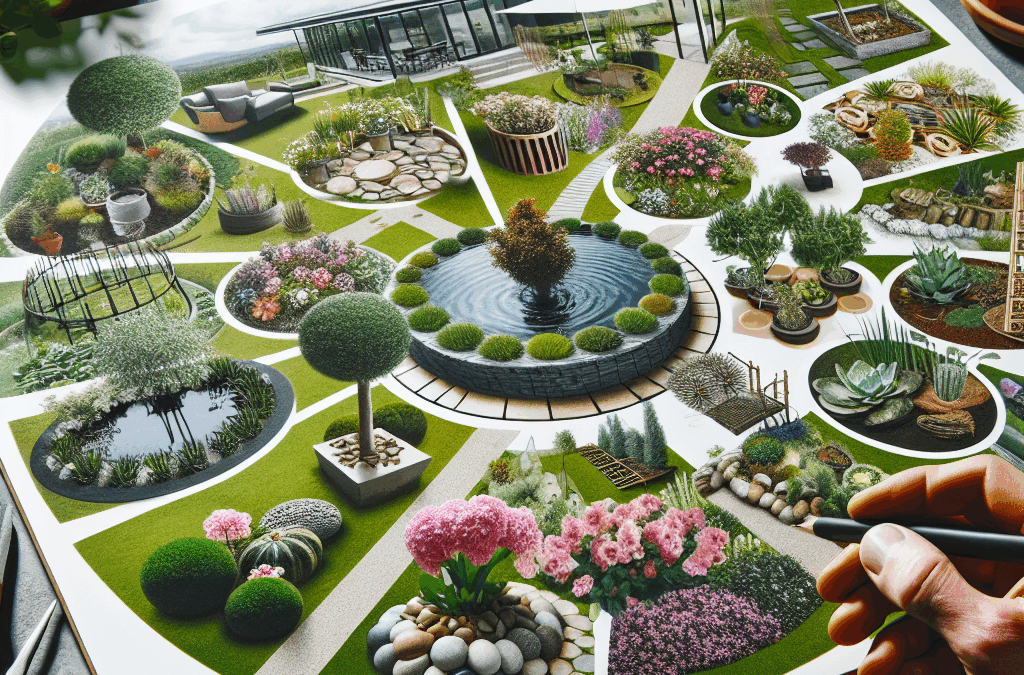
Companion planting for vegetables is a gardening technique where different plant species are grown together to enhance growth, repel pests, and improve yields. By strategically pairing plants, gardeners can take advantage of natural relationships, leading to healthier...
by Tips to Gardening Editorial Team | Apr 10, 2026 | gardening
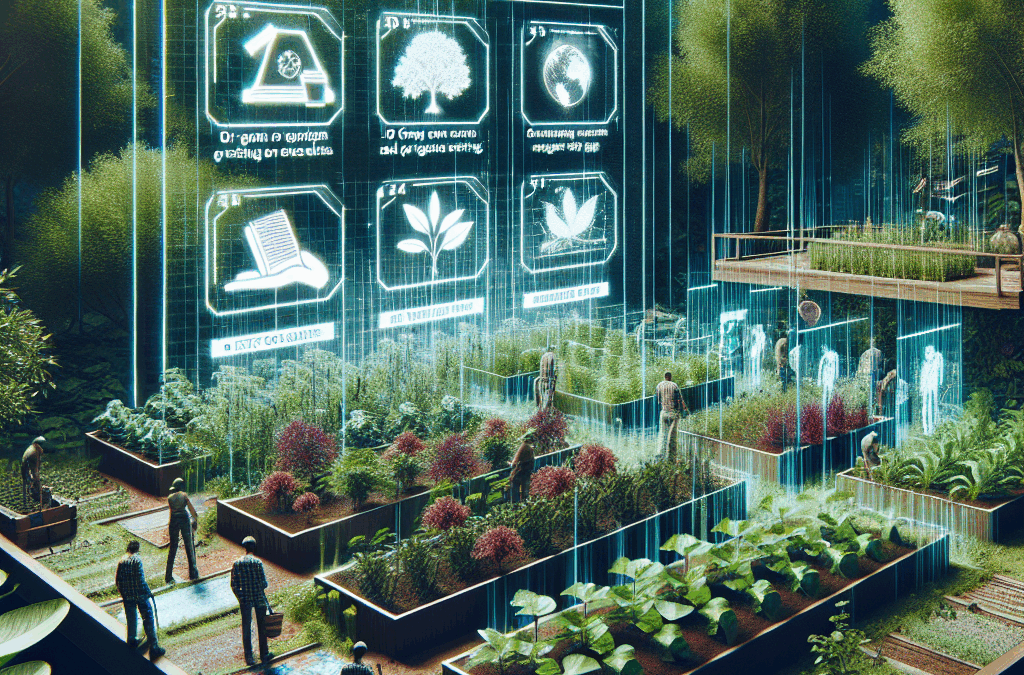
To quickly improve poor garden soil naturally, consider adding organic matter like compost, using cover crops, practicing crop rotation, incorporating mulch, and applying natural fertilizers such as bone meal or fish emulsion. Improving soil health is essential for...
by Tips to Gardening Editorial Team | Apr 10, 2026 | gardening
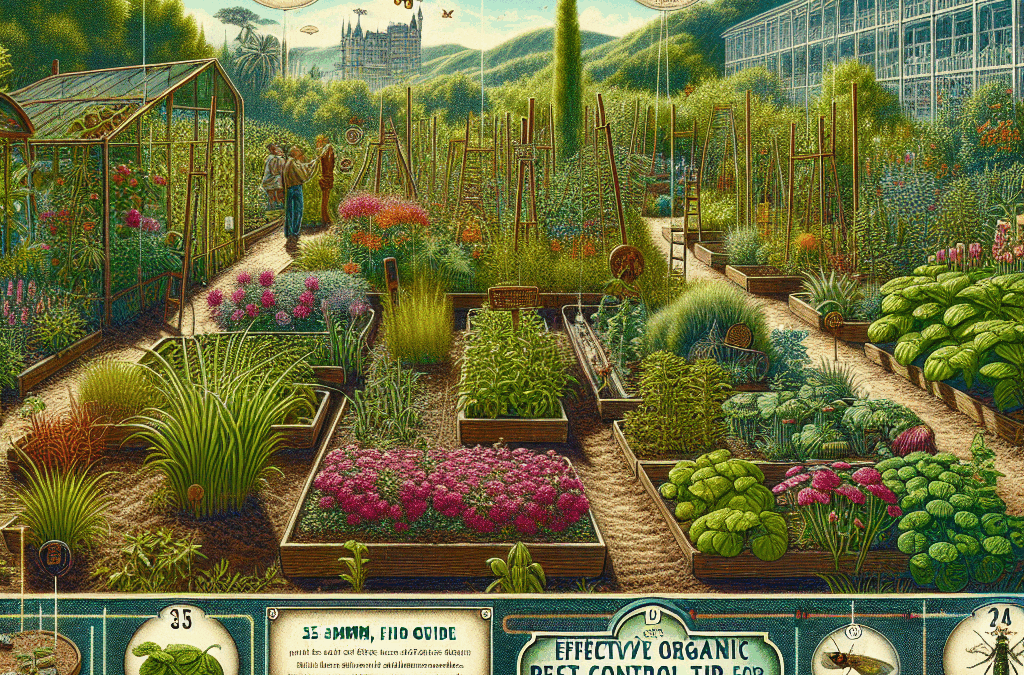
The ideal depth for a raised bed typically ranges from 12 to 24 inches, depending on the types of plants being grown. Deeper beds allow for better root expansion, improved drainage, and enhanced soil health. When deciding on the depth of your raised bed, consider the...

by Tips to Gardening Editorial Team | Apr 10, 2026 | gardening
The easiest root crops for first-time gardeners include radishes, carrots, and potatoes. These crops are forgiving, grow quickly, and require minimal specialized knowledge, making them ideal for beginners. When selecting root crops, consider factors such as soil type,...
by Tips to Gardening Editorial Team | Apr 9, 2026 | gardening
Grow bags have become a preferred choice among gardeners, replacing traditional containers due to their numerous advantages. They are made from breathable fabric that allows for optimal drainage and aeration, which is essential for healthy root systems. One of the...


