
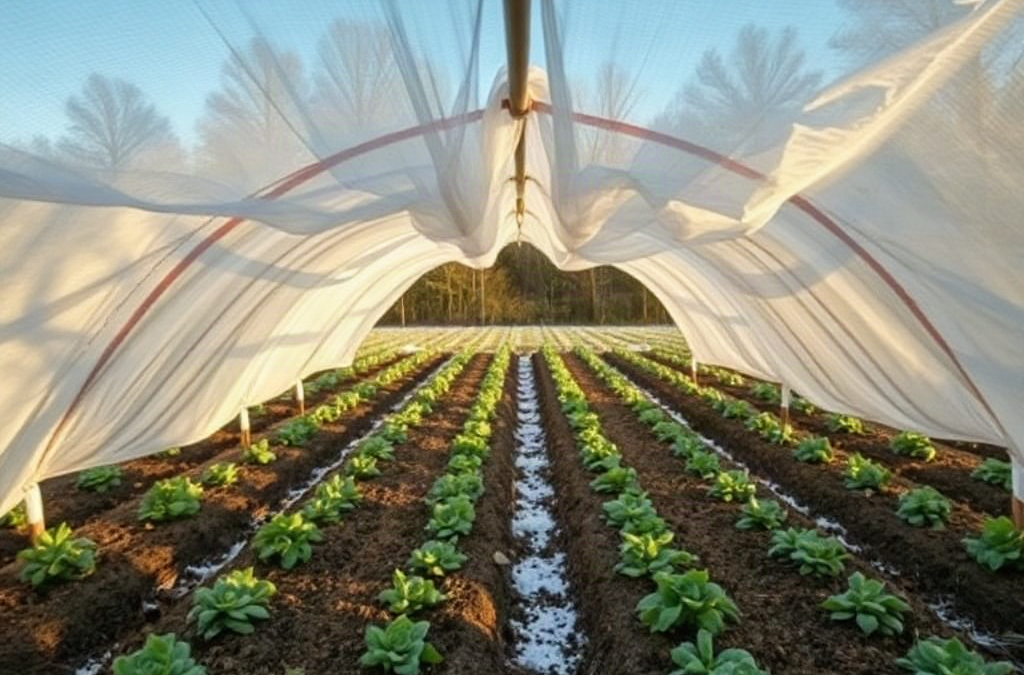
Potatoes growing through mild winter weather can produce a useful crop when their foliage is protected from frost and their tubers remain covered by well-drained soil. Hill exposed stems, maintain a thick but breathable mulch layer, and cover plants before nights forecast near freezing. Remove covers after temperatures rise, because trapped moisture and poor airflow encourage foliar disease, while saturated ground raises the risk of seed-piece and tuber rot. Check plants after every cold spell: blackened leaves may regrow if stems survive, but repeated freezes, waterlogged beds, or widespread soft decay are signals to harvest sound tubers rather than extend the season.
What you’ll learn
This guide covers the following practical points:
- Conditions That Let Winter Potatoes Keep Growing — Mild winters extend potato growth only where the ground stays workable and prolonged freezes are uncommon.
- A Practical Frost Protection Plan — Frost protection works best when it traps warmth already stored in the ground.
- Managing Moisture, Disease, and Hilling — Water management becomes more conservative in cool weather because the bed dries slowly and plants use less moisture.
- Assessing Damage and Choosing a Harvest Time — Cold injury should be assessed after the foliage has thawed naturally.
Conditions That Let Winter Potatoes Keep Growing
Mild winters extend potato growth only where the ground stays workable and prolonged freezes are uncommon. Leaves and stems are much more exposed to cold than developing tubers, which receive insulation from the surrounding earth. A brief light frost may burn the canopy without ruining the crop underground, while a deeper or longer freeze can penetrate the ridge and injure shallow potatoes.
Site choice has an outsized effect during this season. A bed receiving direct winter sun warms sooner after a cold night, but a low spot may collect cold air and remain soggy after rain. Raised rows or gently mounded beds are usually easier to manage than flat, compacted ground because excess water can move away from seed pieces and developing tubers.
Planting material should go into loose ground rather than mud. Cold, saturated earth slows emergence and gives cut seed pieces more time to decay. If the bed stays waterlogged for days after ordinary rain, drainage needs correction before planting; extra mulch cannot compensate for oxygen-starved soil.
Growth will be slower than it is in spring, even when plants remain green. Short days and cool ground limit canopy development and tuber bulking. The common mistake is interpreting slow growth as a fertilizer shortage. Applying a large amount of nitrogen can create soft, leafy growth that is vulnerable to cold and may delay tuber development. Prioritize drainage, sun exposure, and frost readiness before adding nutrients.
A Practical Frost Protection Plan
Frost protection works best when it traps warmth already stored in the ground. Put covers in place before sunset when a near-freezing night is forecast, rather than waiting until frost has formed on the leaves. Frost cloth, row-cover fabric, or a clean lightweight sheet can work, provided the material is supported so it does not crush the stems.
Extend the cover to ground level and secure the edges with boards, stones, or soil. An open-sided cover loses much of the warmth rising from the bed. Plastic sheeting can shed rain, but it should not rest directly on foliage; leaves touching cold plastic may still be injured. If plastic is used, support it on hoops and provide an inner fabric layer where practical.
- Check the forecast: Focus on the predicted low, wind, cloud cover, and duration of cold.
- Hill the row: Pull loose soil around stems and cover any visible tubers.
- Add dry mulch: Place straw or shredded leaves over the ridge without packing them against wet foliage.
- Cover before dark: Anchor the material at soil level and keep it above the canopy.
- Vent the next day: Remove or open covers after the air warms to release condensation.
Windy freezes require more secure anchoring, while calm, clear nights often produce frost in sheltered parts of the yard even when nearby readings seem slightly warmer. A frequent failure is leaving covers closed through a sunny day. Heat and condensation accumulate quickly, creating an unnecessarily humid environment around already tender foliage.
Managing Moisture, Disease, and Hilling
Water management becomes more conservative in cool weather because the bed dries slowly and plants use less moisture. Check below the surface mulch before irrigating. If the root zone is still damp, postpone watering; a fixed summer schedule is poorly suited to short winter days and intermittent rain.
When irrigation is needed, apply water to the soil early enough for splashed foliage to dry before night. Repeatedly wet leaves, crowded stems, and closed covers create favorable conditions for foliar disease. Watch for expanding dark lesions, collapsing stems, or patches that continue worsening after temperatures recover. Remove severely affected foliage with clean tools and keep suspect plant material away from healthy potato beds.
Hilling protects both crop quality and cold tolerance. As stems lengthen, draw loose soil up around them while leaving enough leaf area exposed for photosynthesis. Follow with an insulating mulch that does not mat into a waterlogged layer. The soil ridge blocks light from reaching tubers; potatoes exposed to light can turn green and accumulate undesirable glycoalkaloids, so green or bitter tubers should not be eaten.
The tradeoff is that excessively deep, wet mulch can hide rot, slugs, and stem damage. Lift a small section periodically to inspect the ridge. A healthy bed smells earthy and contains firm stems at soil level. Sour odors, slimy tissue, or standing water indicate that the covering is retaining too much moisture. Thin the mulch, improve runoff, and stop irrigation until the bed begins to drain normally.
Assessing Damage and Choosing a Harvest Time
Cold injury should be assessed after the foliage has thawed naturally. Frosted leaves often become dark, limp, or translucent, but green lower stems may produce replacement shoots. Do not wash frost from the canopy or prune it while frozen, because brittle tissue is easily damaged. Wait until the extent of injury is visible, then remove collapsed material that could trap moisture around new growth.
A single damaged top does not automatically require harvesting. If the ridge stayed unfrozen, stems remain firm, and milder weather is expected, the plants may continue growing. Protect the regrowth because new shoots are especially tender. Repeated defoliation, however, consumes stored energy and leaves little healthy foliage to enlarge the crop.
Harvest becomes the better choice when a harder freeze is approaching, the bed remains saturated, stems are rotting at ground level, or the canopy has died back without a realistic period for recovery. For small new potatoes, carefully dig beside one plant and inspect the tubers before disturbing the entire row. For a storage crop, allow intact plants to mature as conditions permit, then choose a dry day and lift tubers gently to avoid cuts and bruises.
Keep harvested potatoes out of direct light and sort them before storage. Use damaged tubers promptly, set aside any showing soft decay, and do not store wet potatoes in a sealed container. The mistaken goal is often to keep plants outside for as long as possible. The better decision is to compare the likely gain from another week of growth with the immediate risks of freezing soil, persistent rain, and disease spread.
Frequently Asked Questions
Can potato plants survive a light frost?
A light frost may kill exposed leaves while leaving protected stems and underground tubers intact. Wait for the plants to thaw, check for green stem tissue, and protect any regrowth from the next cold night.
Should potatoes be watered during mild winter weather?
Water only when the soil below the mulch begins to dry. Cool ground loses moisture slowly, so rainfall and soil condition are better guides than a fixed irrigation schedule.
What is the best mulch for winter potatoes?
Loose straw or shredded dry leaves can insulate the ridge while allowing some airflow. Avoid thick, matted layers that remain saturated or press wet material against the stems.
Should frost-damaged potato foliage be cut off immediately?
Let frozen foliage thaw before pruning. Once damage is clear, remove collapsed tissue that traps moisture, but retain firm green stems and healthy leaves that can support regrowth.
When should winter-grown potatoes be harvested?
Harvest before a freeze likely to penetrate the ridge, or sooner if saturated ground, stem rot, or repeated canopy loss threatens the crop. Dig on a relatively dry day and handle the tubers gently.
Conclusion
A successful winter potato crop depends less on forcing rapid growth than on protecting healthy tissue and keeping the ridge well drained. Before each cold spell, cover the canopy, secure the edges, and confirm that all tubers remain buried. Between frosts, vent covers and inspect for wet mulch, leaf lesions, and soft stems. Continue the season while the plants retain useful foliage and the soil remains sound; harvest when cold or moisture creates more risk than another period of growth can justify.


