
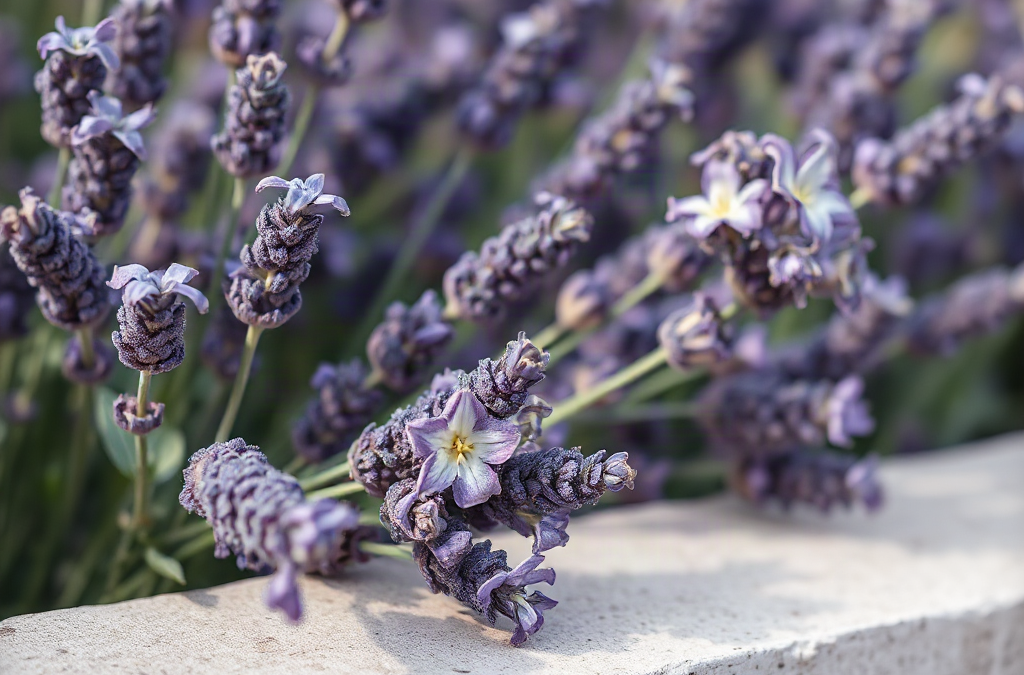
English lavender grows most reliably in USDA Zones 5 through 8 when winter drainage keeps its crown and roots from remaining cold and saturated. Plant it in full sun on raised or sloping ground, use fast-draining mineral soil, and keep mulch away from the woody base. Snow cover is usually less damaging than repeated thawing in waterlogged soil, which encourages root and crown decline. In colder areas, choose a sheltered site and hardy cultivar; in humid or clay-heavy locations, improve elevation and drainage rather than relying on extra winter covering.
What you’ll learn
This guide covers the following practical points:
- Which Zones Suit English Lavender? — USDA hardiness zones describe average annual extreme minimum temperatures, not soil moisture, summer humidity, freeze-thaw frequency, or the duration of winter wetness.
- Why Does Winter Drainage Control Survival? — Winter drainage determines how long water occupies the pores around lavender roots and the woody crown.
- How Should You Prepare a Well-Drained Site? — Site elevation should be corrected before soil texture because water must have somewhere to go.
- Winter Care by Climate and Soil — Winter care should reduce moisture exposure without stimulating tender growth.
Which Zones Suit English Lavender?
USDA hardiness zones describe average annual extreme minimum temperatures, not soil moisture, summer humidity, freeze-thaw frequency, or the duration of winter wetness. English lavender, Lavandula angustifolia, is commonly grown as a perennial in Zones 5 through 8, with some cultivars and protected sites succeeding beyond that general range. A zone designation should therefore be treated as a temperature screen rather than a promise of survival.
A Zone 5 planting may perform well where snow insulates the ground and meltwater drains downhill. The same plant can decline in a relatively mild Zone 7 yard if it sits in dense clay that remains saturated from December through March. Low winter temperatures matter, but cold roots deprived of air are especially vulnerable. A south- or west-facing slope, gravelly bed, or raised planting area can create a better root environment than a warmer but poorly drained hollow.
| USDA Zone | Typical Outlook | Main Site Priority |
|---|---|---|
| 4 and colder | Marginal outdoors; cultivar and microclimate are critical | Shelter from wind, excellent drainage, and reliable snow cover |
| 5–6 | Generally suitable for hardy English lavender cultivars | Raised crown, full sun, and protection from standing meltwater |
| 7–8 | Usually suitable where summers and soils are not excessively wet | Air movement, lean soil, and rapid drainage during rainy winters |
| 9 and warmer | Heat, humidity, and insufficient winter chill may reduce performance | Choose locally proven lavender types and avoid humid, irrigated sites |
Microclimates can shift the practical result within one property. A bed beside a sunny masonry wall may be warmer and drier than a lawn-edge depression only a few yards away. Walls also create problems if a roof downspout empties nearby or compacted construction soil traps water. Check the site after prolonged rain and during snowmelt rather than judging it only in summer.
Cold-climate gardeners should look for named English lavender cultivars with a record of local survival rather than assuming every plant labeled “lavender” has equal hardiness. Lavandin and tender ornamental lavender types may have different cold limits. The common mistake is selecting by flower color alone and then treating the USDA zone as the complete planting requirement. Match the species and cultivar to local winter lows, then use drainage and exposure to refine the decision.
Why Does Winter Drainage Control Survival?
Winter drainage determines how long water occupies the pores around lavender roots and the woody crown. Roots need oxygen even while growth is slow. Fine-textured, compacted soil holds water in small pore spaces, while repeated rain or melting snow keeps replenishing it. The resulting cold saturation weakens roots and creates conditions favorable to decay around the plant’s base.
English lavender evolved for bright, relatively dry conditions and performs poorly when its crown is buried in wet organic matter. Moisture can collect where stems meet the soil, particularly beneath a thick layer of shredded bark or leaves. A mulch that benefits moisture-loving perennials may work against lavender during a wet winter. Mineral mulch such as coarse gravel keeps the surface more open and does not form the same damp mat against the stems, although it cannot correct a compacted subsoil by itself.
Freeze-thaw cycles add another pressure. Waterlogged soil expands when frozen and can lift a shallow-rooted plant, leaving fine roots exposed when the soil settles. Frost heaving is more likely in silty or clay-rich beds than in coarse, freely draining ground. Snow is not automatically the enemy: a stable snow layer can moderate temperature swings. Trouble often begins when meltwater pools around the crown and then refreezes.
A practical inspection is more useful than guessing from soil color. After a substantial rain, dig a small test hole near the proposed bed, fill it with water, and observe whether water continues to linger rather than moving through the profile. Also look for puddling, slick compacted layers, runoff from paving, and water discharged from gutters. A summer bed that appears dry may receive far more water once nearby plants are dormant and evaporation slows.
Yellowing lower foliage, blackened stem bases, loose plants, and branches dying from the center outward can indicate root or crown stress, but these signs are not exclusive to excess moisture. Winter-burned foliage may look gray or brown while the crown remains firm and alive. Before removing the plant, wait for spring growth to clarify which stems are viable. The preventable error is responding to suspected winter damage with additional watering before checking soil moisture several inches down.
How Should You Prepare a Well-Drained Site?
Site elevation should be corrected before soil texture because water must have somewhere to go. Choose full sun and ground that sheds runoff away from the crown. Where native soil is heavy, form a broad mound or raised bed rather than digging a deep planting hole and filling it with loose material. An isolated amended hole in clay can behave like a basin, collecting water at the boundary between the amended soil and the denser surrounding ground.
Build the root area wide enough for water to move laterally, using suitable mineral topsoil blended with coarse, stable material. Fine sand added sparingly to clay may fail to create useful pore space and can produce a dense mixture. Coarse grit, small gravel, or other locally appropriate mineral components are more useful when incorporated through a substantial soil volume. Large quantities of compost are unnecessary: rich, moisture-retentive soil encourages softer growth and works against the lean conditions lavender favors.
Use this planting sequence where winter wetness is a known risk:
- Trace the water: identify roof runoff, irrigation overspray, low spots, and the direction snowmelt travels.
- Raise the root zone: create a broad mound or bed above the surrounding grade, with gently sloping sides.
- Set the crown high: keep the woody stem base at or slightly above the finished soil surface rather than burying it.
- Water to establish: soak the root ball after planting, then let the upper soil begin drying before watering again.
- Keep the base open: leave space around the crown and use a shallow mineral mulch if mulch is needed.
Raised beds involve a tradeoff. They drain and warm faster, but their exposed soil can dry rapidly in summer and become colder at the edges during severe winter weather. A broad, low mound is often more temperature-stable than a narrow elevated box. Containers create an even harsher root environment because their sides are exposed to air temperatures. A cultivar hardy in the ground may not tolerate the same winter in a small pot.
Signs of a successful site include water disappearing from the crown area after rain, firm new growth from living stems in spring, and a canopy that dries promptly after wet weather. Persistent puddles, mossy soil at the plant base, sour-smelling soil, or continuing dieback point to unresolved drainage. Do not try to compensate by adding more gravel only at the surface; redirect runoff or rebuild the root zone if the underlying soil remains saturated.
Winter Care by Climate and Soil
Winter care should reduce moisture exposure without stimulating tender growth. Stop routine irrigation once cool weather and regular precipitation keep the soil damp, but do not allow a newly planted lavender to enter winter with a completely dry root ball. Established plants generally need little supplemental winter water in climates receiving rain or snow. In dry regions with frozen or unfrozen soil, occasional watering may be appropriate when the root zone is genuinely dry.
In cold, snowy Zone 5 conditions, prioritize a hardy cultivar, a raised crown, and protection from runoff. Stable snow can remain in place unless plowing or roof shedding creates a heavy, compacted bank over the plant. Avoid wrapping the foliage tightly in plastic, which restricts air movement and can trap condensation. Where drying winds are severe, a breathable windbreak positioned to reduce exposure is more useful than sealing the plant.
In rainy Zones 7 and 8, cold may be moderate while saturation lasts for weeks. Open spacing and a sunny exposure help foliage and surface soil dry between storms. Keep fallen leaves from accumulating in the plant’s center, and check that gravel mulch has not become mixed with decomposed organic debris. A lavender beside a frequently watered lawn is especially vulnerable because the irrigation pattern ignores the shrub’s lower moisture requirement.
Clay soil warrants intervention before winter, not during a waterlogged spell. Major digging around established roots in late autumn can damage them just as growth slows. If an existing plant sits too low, improve surface runoff temporarily, then lift and replant it on a mound during an appropriate cool but workable planting period. Moving a mature, woody specimen carries risk, so replacing a severely declined plant in a properly prepared site may be more sensible.
Delay major pruning until spring growth identifies live wood. Cutting hard in autumn removes foliage that buffers the framework and may encourage growth unable to harden before freezing weather. In spring, trim damaged tips and shape the plant while retaining visible green growth; old leafless wood may not resprout reliably. The frequent failure pattern combines autumn shearing, damp bark mulch, and a recessed planting position. Correcting those three conditions usually matters more than adding a decorative frost cover.
Evaluate results over the full dormant season. A bed that drains after ordinary rain may still fail during a rapid thaw over frozen subsoil. Watch where that water travels and create a safe route around, not through, the lavender crown. That observation provides better guidance than adding amendments without knowing whether the actual problem is soil texture, grade, runoff, or irrigation.
Conclusion
Zone suitability narrows the choices, but the planting site decides whether English lavender can use its natural cold tolerance. Confirm the species and cultivar first, then observe the proposed location during prolonged rain and snowmelt. Full sun, a broad raised root zone, lean mineral soil, and an uncovered crown offer more dependable protection than heavy mulch or plastic wrapping.
Address incoming water before adding amendments: redirect downspouts, separate lavender from irrigated lawn, and avoid low ground. Leave major pruning until spring reveals living wood, and check moisture before watering a damaged-looking plant. If the site repeatedly stays saturated over frozen subsoil, relocating the lavender is more realistic than trying to maintain it through repeated winter decline.
Frequently Asked Questions
Can English lavender survive in Zone 4?
It may survive in a protected, exceptionally well-drained microclimate when a cold-hardy cultivar is used, but Zone 4 is marginal. A stable snow layer and shelter from winter wind may help, while wet clay or an exposed container makes loss more likely.
Should gravel be placed in the bottom of the planting hole?
No. A gravel layer beneath an amended hole does not provide a dependable drainage outlet and may leave water trapped above the surrounding clay. Improve a broad soil area or raise the entire root zone instead.
Is English lavender safer in a raised bed during winter?
A broad raised bed can improve drainage in wet soil, but it also exposes roots to colder air and faster drying. Use enough soil volume to limit temperature swings and avoid narrow, elevated containers in cold climates.
Should English lavender be covered before snow?
Routine covering is usually unnecessary for an established, zone-appropriate plant. If wind protection is needed, use a breathable barrier that does not rest tightly on the foliage or trap moisture around the crown.
How can you tell whether winter damage is from cold or wet soil?
Cold injury often affects exposed stem tips, while wet-soil decline commonly begins near the crown or roots and may leave stems loose or dark at the base. Wait for spring growth and inspect soil moisture before deciding how to respond.


